
Walk into any gym in January and watch where the weight-loss hopefuls go: straight to the cardio deck. It is the most expensive intuition in fitness. Not because cardio is bad, it is genuinely good for you, but because building a weight-loss plan around cardio alone quietly sabotages the result people actually want.
Here is the case for putting strength training at the center of a fat-loss phase, and what the week actually looks like when you do it right.
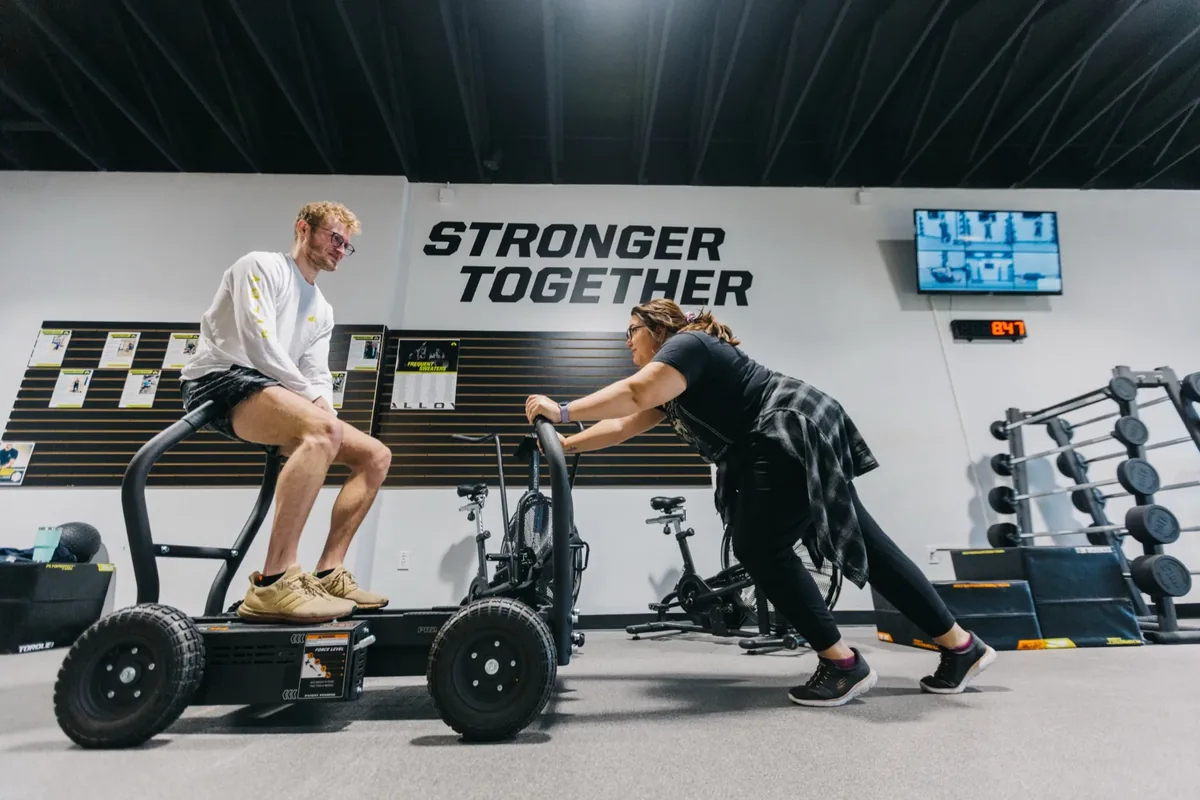
What do you actually want to lose?
Fat. Not weight, fat. The distinction sounds pedantic until you see what happens without it. Lose twenty pounds through restriction and cardio alone and a meaningful slice of what left was muscle, the tissue your strength, shape, and daily energy use ride on. You end up lighter and also weaker, softer than expected at the new weight, and metabolically set up to regain. Coaches see this rerun constantly; it is the classic outcome of treating the bathroom scale as the referee.
Strength training changes what the loss is made of. Keep lifting through a fat-loss phase, keep protein adequate, and your body has a standing reason to hold its muscle while the deficit pulls from fat. Same scale change, completely different result in the mirror, on the stairs, and a year later.
What does the lifting actually contribute?
- Muscle defense, the headline benefit above, and the one cardio cannot provide.
- Shape change. The firmer arms and stronger-looking build people picture when they say toned is muscle revealed, and muscle is built under load, not on a belt.
- Engine maintenance. Muscle is metabolically active tissue; defending it defends your daily burn, which matters most exactly when eating less.
- Capability while you lose. A fat-loss phase powered by lifting leaves you finishing stronger than you started, which does wonders for actually finishing.
So where does cardio fit?
As the excellent supporting actor it has always been: extra energy spent, cardiovascular health, and, when it is movement you enjoy, the walk on a fall evening, a weekend on the W&OD trail, the kind of activity that never needs willpower. What it should not be is the load-bearing wall. If your week only has two or three training hours, which is a normal adult week, those hours belong to coached strength work, with enjoyable movement layered around them. That is the honest hierarchy, and it holds double past 40, as we laid out in is personal training worth it after 40.
What about eating?
No training plan outruns eating habits, and we will never pretend otherwise. The good news is that the lifting-anchored version of fat loss pairs with sustainable eating far better than the cardio-punishment version: protein at every meal to give the muscle defense something to work with, portions honest, sleep protected, and no named diet required. Members here get ongoing, evidence-based nutrition guidance as part of coaching, because habits stick through follow-up, not handouts.
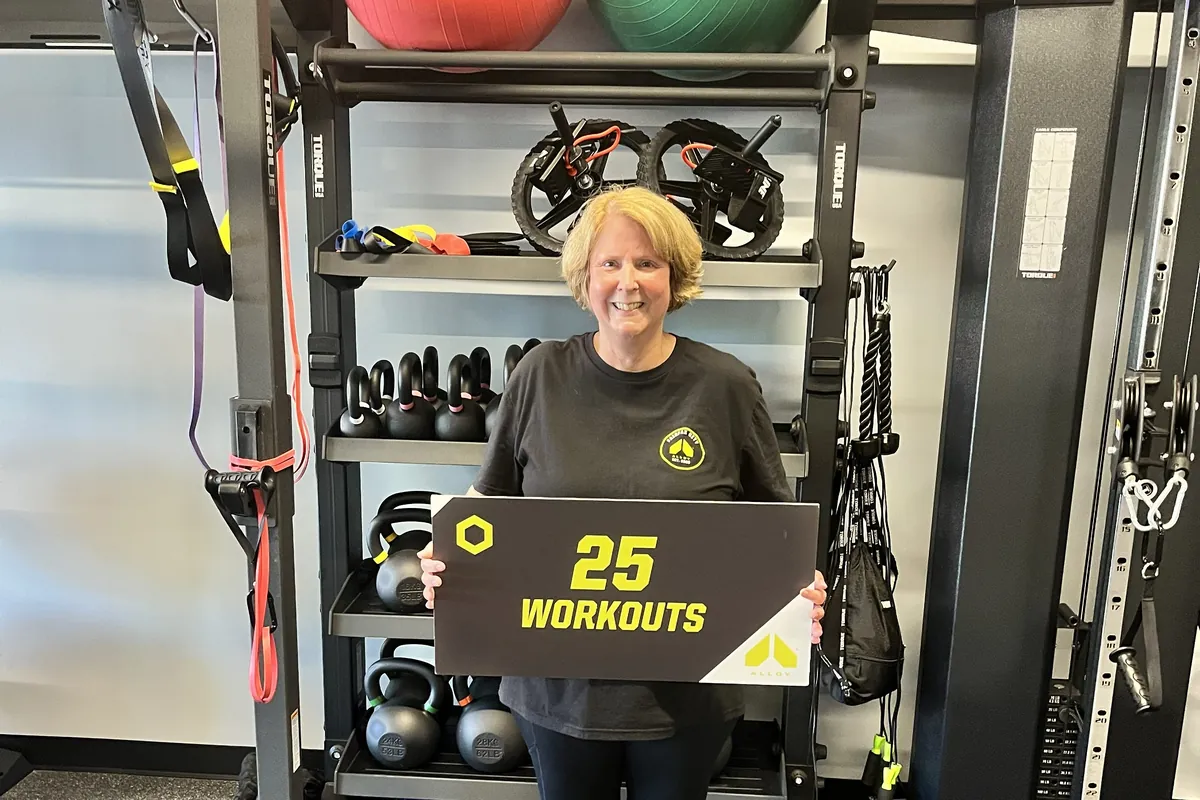
How do you know it is working?
Not by the bathroom scale alone, which cannot tell a pound of lost fat from a pound of lost muscle and will happily celebrate both. The monthly InBody body composition scan included with membership here splits the difference exactly: fat mass down, muscle mass held or climbing, is the signature of a fat-loss phase doing precisely what it should. Clothes and strength benchmarks will agree. The weeks the scale sulks while the composition data shines are the weeks this measurement approach saves people from quitting a plan that is working.
Ready to do the effective version?
Our studio in Fairfax City coaches exactly this: small group personal training capped at six members, individualized programming, monthly InBody scans, and habit guidance that respects your real life. It starts with a Complimentary Intro Session, which includes your baseline scan, a movement assessment, and a coached workout. If you are in Fairfax City, Mantua, Burke, Fairfax Station, or nearby, book your Complimentary Intro Session, and let the treadmill go back to being the warm-up it was born to be.