
Personal training is worth it after 40 if any of these are true: you do not know how to structure your own training, you have a history of starting and quitting, or you have joints and injuries that need working around. If none of those apply, you may not need it. That is the honest answer most sales pages will not give you.
Since we run a training studio in Fairfax City, you know where our interests lie. So this article makes the case both ways and lets you locate yourself in it.
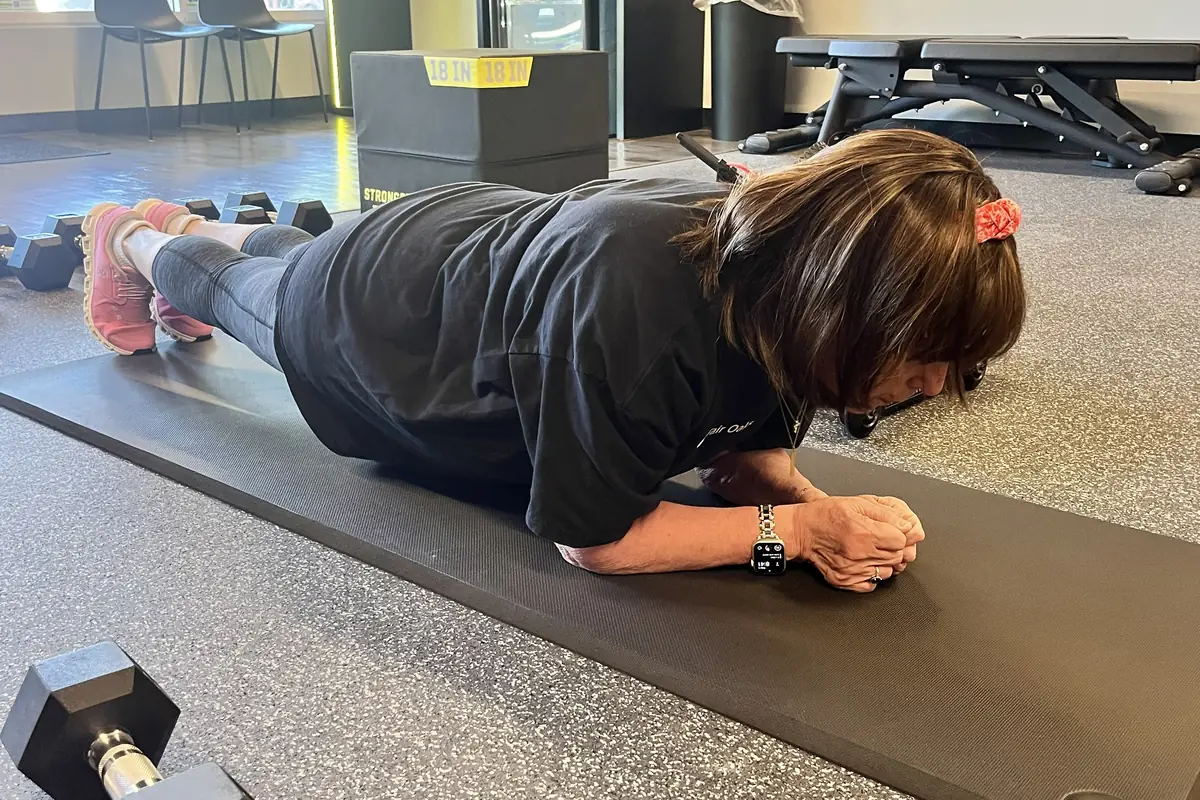
What are you actually paying for with a trainer?
Four things: a program designed for your body, real-time form coaching, managed progression, and accountability. Equipment access is the cheapest part of fitness; those four are what big box memberships do not include and what most people over 40 are missing.
The evidence says these are not luxuries. Studies of supervised versus unsupervised training, including work in the Journal of Strength and Conditioning Research, consistently find supervised trainees gain strength faster, largely because effort and technique are managed session to session. And adherence, the polite word for actually showing up, is the single strongest predictor of results in every exercise study ever run.
Why does the calculus change after 40?
Three things shift. Recovery narrows, so junk workouts cost more. Old injuries and joint history start voting, so form errors get expensive. And muscle loss quietly accelerates: adults lose roughly 3 to 8 percent of muscle per decade after 30, faster after 60, which makes strength training shift from optional to essential.
A 25-year-old can wing it, get hurt, and bounce back in a week. At 50, winging it is how a tweaked back eats a whole season of momentum. Coaching is, bluntly, insurance on your training time.
When is personal training NOT worth it?
Skip coaching if you have real training experience, you can write and progress your own program, and your attendance does not collapse without external structure. People like this exist and they do fine with a basic membership.
Also skip it if the budget genuinely is not there; walking and a consistent home routine beat a financially stressful commitment. And be wary of paying premium one-on-one rates for generic programming. If everyone gets the same workout, you are buying group fitness at private prices.
What is the realistic cost-benefit in Fairfax?
One-on-one training in the Fairfax area runs roughly $70 to $120 per session in 2026, which at three sessions weekly is a serious line item. Small group personal training delivers the same program-plus-coach structure at $30 to $60 per session by sharing the coach across up to six members. For most adults over 40, that format captures nearly all the benefit at half or less of the price, which changes the worth-it math substantially.
Weigh it against what the alternative actually produced. If the last three years of cheap memberships produced nothing, their real cost per result was infinite.
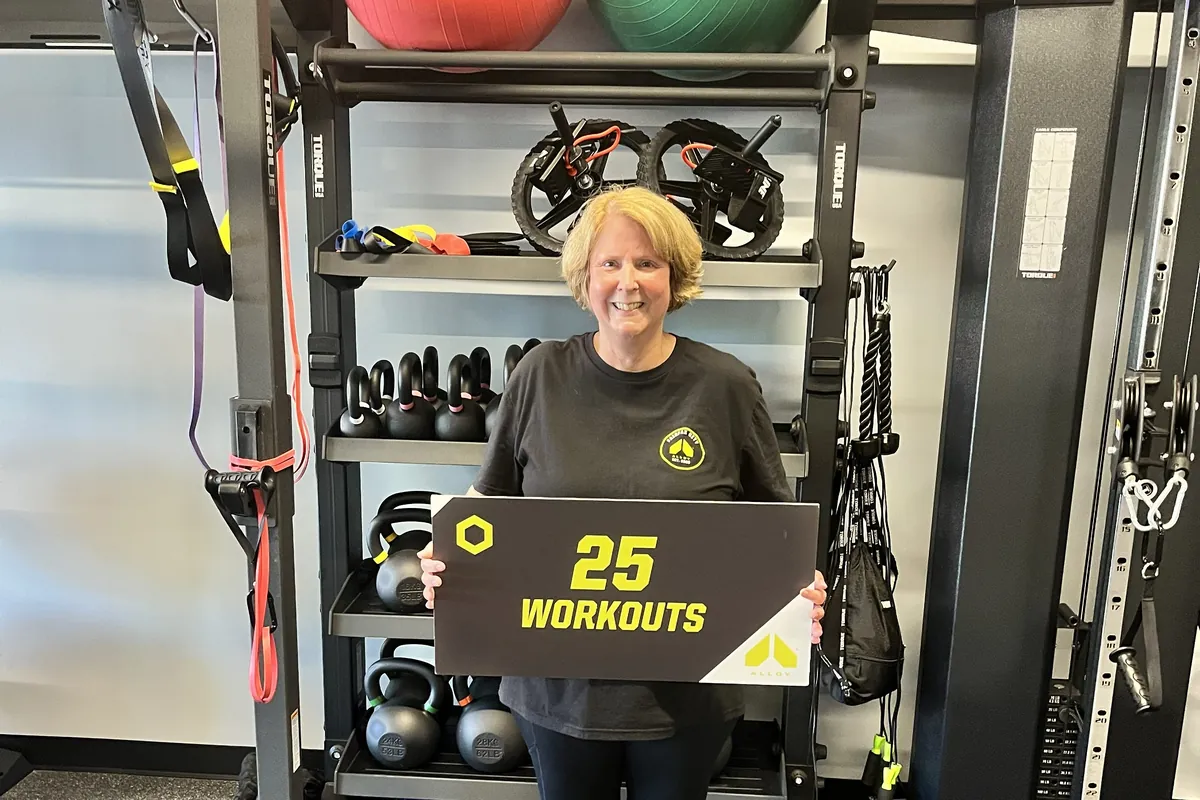
How to tell within a month if it is working
Worth it should be measurable. Within four to six weeks of consistent coached training you should see: weights on your basic lifts going up, sessions attended matching sessions scheduled, and everyday tasks feeling easier. If a service cannot show you progress markers like these, question it, including ours.
Decide with data, not a sales pitch
Book a Complimentary Intro Session at our Fairfax City studio. You will leave knowing your actual starting point, what a program would look like, and what it costs, which is everything you need to answer the worth-it question for yourself.