
Somewhere between the influencer training six days a week and the article promising results from seven minutes a month sits the question real adults actually need answered: how many days a week does strength training genuinely require?
The honest answer is more encouraging than the fitness industry's incentives usually allow: for most adults, two to three well-built sessions a week is not the compromise plan. It is the plan. Here is the reasoning, the research shorthand, and how to pick your number.
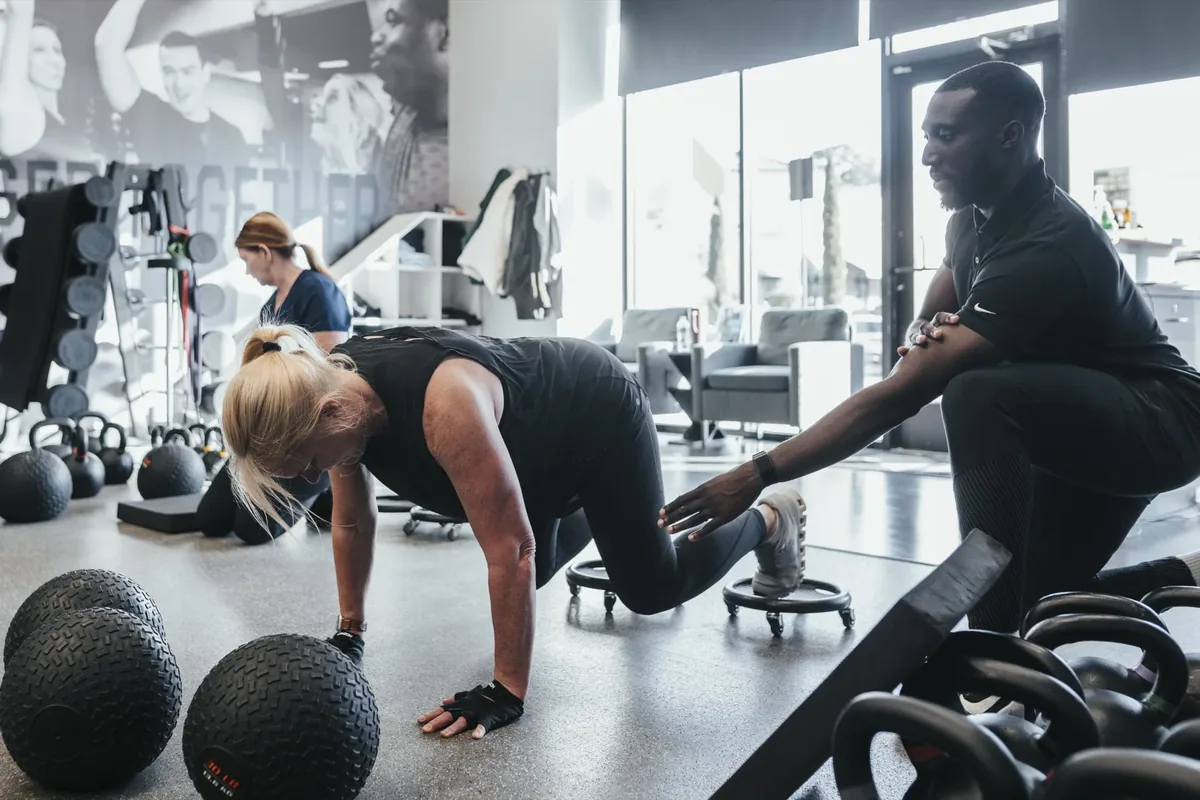
What does the research actually support?
The broad findings on training frequency have been stable for years:
- Strength and muscle respond strongly to two to three sessions weekly. This is the range where most of the results live for non-athletes.
- Zero to one is where the trouble is. One session a week maintains more than nothing, but building meaningfully usually wants at least two exposures.
- Beyond three, returns diminish fast for general fitness. Athletes and dedicated hobbyists benefit from more; adults with careers and families mostly buy extra recovery debt.
- Recovery is where adaptation happens. Muscles rebuild between sessions, not during them, which is why spacing beats cramming.
The pattern underneath: consistency over months beats density over weeks, every time it is tested. Twelve months of twice-weekly training buries eight weeks of daily heroics abandoned in February.
So, two or three?
Pick by your life, not your ambition:
- Choose two if your calendar is hostile, you are returning after years off, or you want the highest results-per-hour ratio in fitness. Two coached full-body sessions weekly is the single most underrated prescription in this industry, and for many of our members it is the number that finally stuck after years of failed fives.
- Choose three if you have the schedule room, recover well, and want faster progress, especially for ambitious body composition goals. Three is the sweet spot when it is sustainable, and only when it is sustainable.
- Choose the number you will still be doing in March, above all. The best frequency is a trick question; it is whichever one survives your actual life.
Does the answer change after 40 or 50?
The frequency barely moves; the architecture matters more. Recovery between sessions earns more respect, warm-ups stop being optional, and progression comes in smaller, steadier steps, themes we covered in building muscle after 50. Two to three coached sessions with real recovery between them is, if anything, an even better fit at 55 than at 35, because it matches how the body actually adapts at that age instead of fighting it.
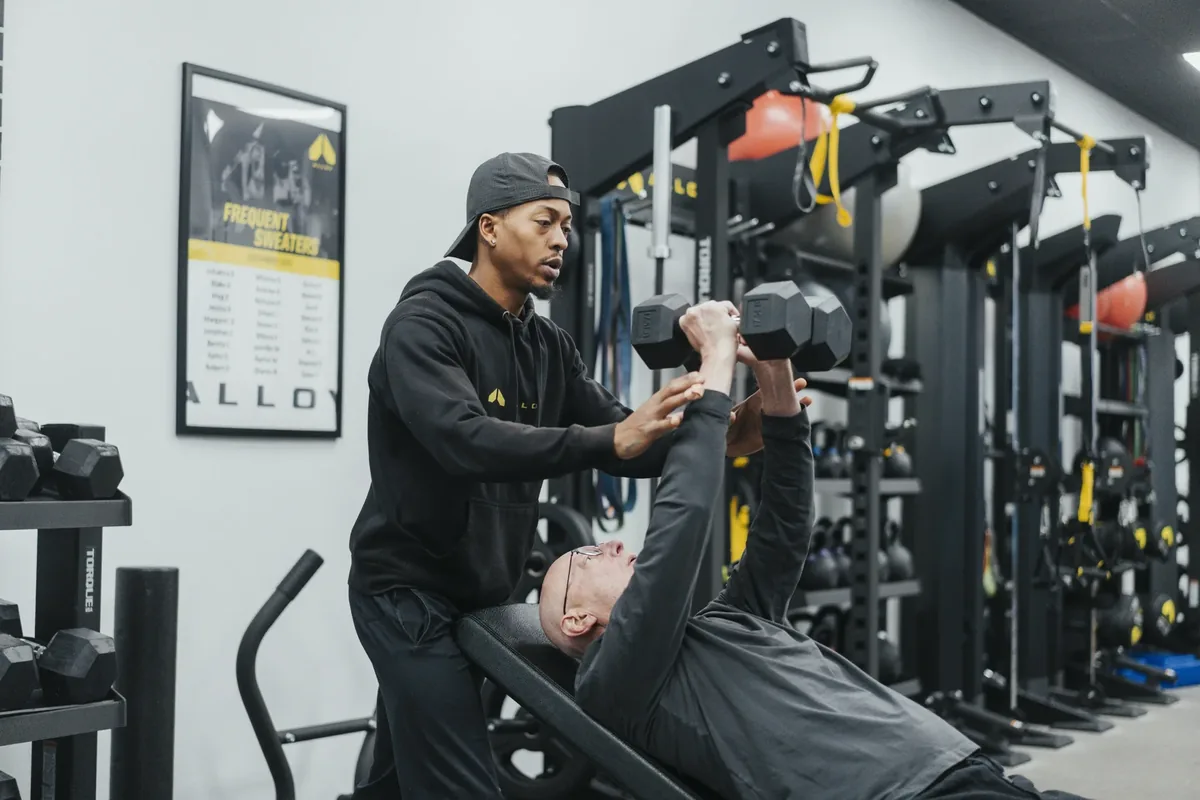
What makes the sessions count?
Frequency only works when the sessions themselves are worth repeating. The ingredients: full-body programming so every session touches everything, progressive load so the work keeps asking slightly more, form watched so effort lands where it should, and a start point matched to your actual body. That last list is, not coincidentally, a description of coached small group training. Our sessions cap at six members so the programming and the watching are real, and booked time slots mean your frequency is defended by an appointment rather than by willpower on a Tuesday night.
What about everything that is not lifting?
It still counts, in its own column. Walks, bike rides, the W&OD on a Saturday, yard work, chasing kids or grandkids: daily movement matters for health and it complements training without replacing it. The clean mental model: two to three strength sessions build and defend the machine; daily movement keeps it running. Neither substitutes for the other, and the combination is the whole prescription.
If you want help finding your number, and sessions built to make it count, our Fairfax City studio starts everyone with a Complimentary Intro Session: goals, history, an InBody body composition scan, a movement assessment, and a coached workout. Serving Fairfax City, Mantua, Burke, Fairfax Station, and Vienna. Book your Complimentary Intro Session, and bring your real calendar. We program for that one.