
For a life transition that half the population goes through, menopause spent a remarkably long time being left out of fitness conversations. That has finally changed, and mostly for the better, though the new attention arrived with the usual internet baggage: miracle protocols, hormone-hacking supplements, and influencers with certainty inversely proportional to their evidence.
Here is the grounded version of what actually changes through perimenopause and beyond, and why strength training has earned its place as the most consistently recommended physical response. The standing boundary first: menopause is a medical transition, and hormones, treatment options, and symptoms belong in conversations with your physician. Training and habits are our lane. It is a bigger lane than most women have been told.
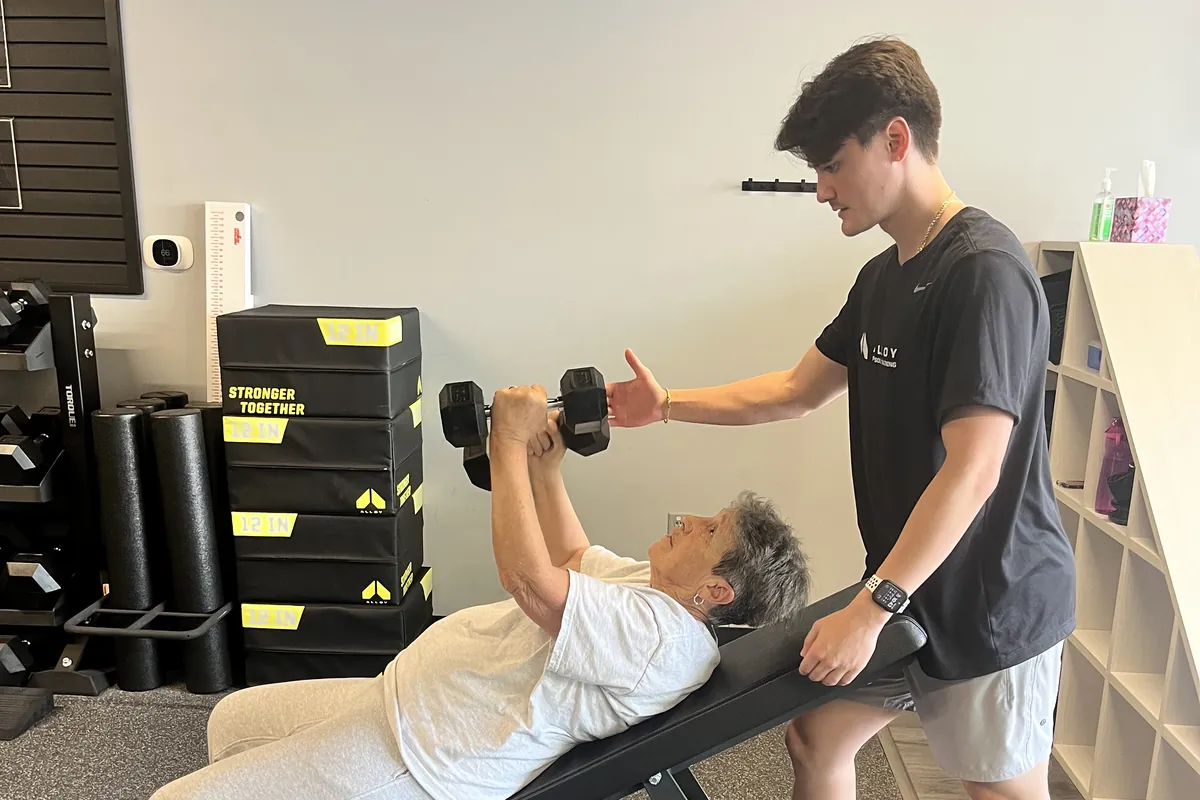
What actually changes for training purposes?
- Muscle becomes harder to keep. The gradual muscle drift of midlife accelerates as estrogen declines, which means the maintain-by-default era is over. Muscle now responds to being asked, and mostly only to being asked.
- Bone density declines faster. The years around menopause are when bone loss speeds up, and bones, like muscle, respond to load. Resistance training is one of the best-supported things a woman can do for her skeleton.
- Body composition shifts. Fat storage redistributes toward the middle even without habit changes, a change that responds to the muscle-and-habits approach, not to punishment cardio.
- Sleep and recovery get less automatic. Disrupted sleep affects appetite, energy, and how training feels, which makes sensible programming and recovery respect matter more.
Why is strength training the anchor response?
Because it addresses nearly every item on that list at once. Progressive resistance training tells muscle to stay through exactly the years it is inclined to leave. It loads bone at the moment bone most needs the argument. It drives the body composition changes women actually want, shape and strength rather than just scale movement. And it delivers the strength that makes everything else in a busy midlife easier to carry, sometimes literally. The prescription is unchanged from what we give everyone, because it is simply what works: two to three coached sessions weekly, progressive, individualized, sustained. What changes is the why, and through menopause the why gets considerably more compelling.
What about the rest of the picture?
Training works best inside a set of habits, all boring, all effective: protein at every meal to supply the muscle project, sleep defended like the health priority it is, stress given real outlets, movement you enjoy layered through the week, and honest attention to alcohol, which taxes sleep and appetite more loudly in midlife. Members get ongoing evidence-based nutrition and habit guidance here rather than a laminated diet, and for medical questions, from hormone therapy to unusual symptoms, the answer is always the same: that is a physician conversation, and a good program builds around whatever comes out of it.
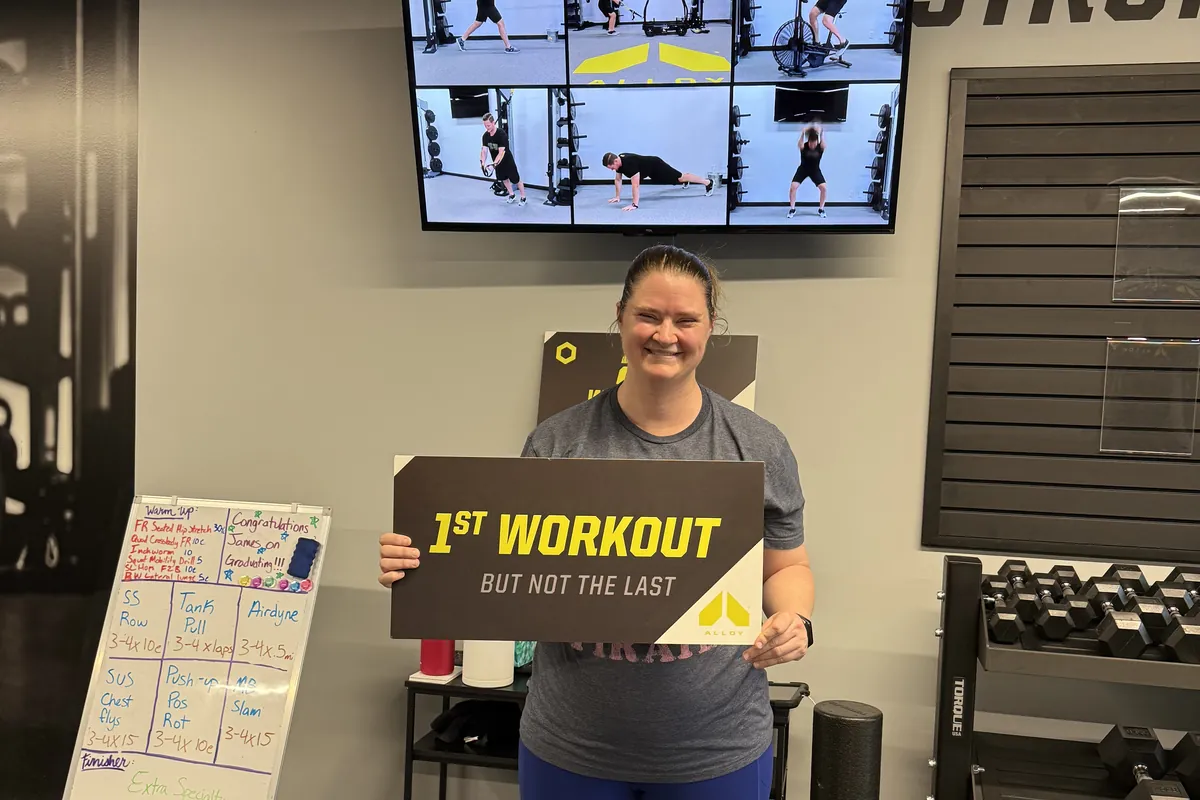
What results should you expect?
Strength first, within weeks, and members are routinely surprised by how quickly it arrives. Composition change follows across two to three months, tracked properly on the monthly InBody scan, where muscle holding or climbing while fat trends down tells the real story the bathroom scale garbles. Bone is the long game, invisible month to month, which is exactly why the habit matters more than any single session. And woven through all of it, the result members name most: feeling capable in a season of life the culture keeps describing in terms of loss. Our members would like a word with the culture.
Most of the women training at our Fairfax City studio are in their 40s, 50s, and 60s. Midlife is not the exception here; it is the room. If you are in Fairfax City, Mantua, Burke, Fairfax Station, or nearby, book your Complimentary Intro Session: history, goals, an InBody baseline, a movement assessment, and a coached workout, with every exercise scaled to you in sessions capped at six. As we covered in strength training for women over 50, the training response through this transition is real. Come watch it be real for you.